Surgical & Specialty
Oral Surgery
Oral surgery covers the procedures that go beyond a filling or a cleaning. At Avora Dental that means extractions, wisdom teeth, implant placement, and preparing a site for later work. Every case starts with a consultation and imaging, and Dr. Shah reviews it personally before anything is booked.
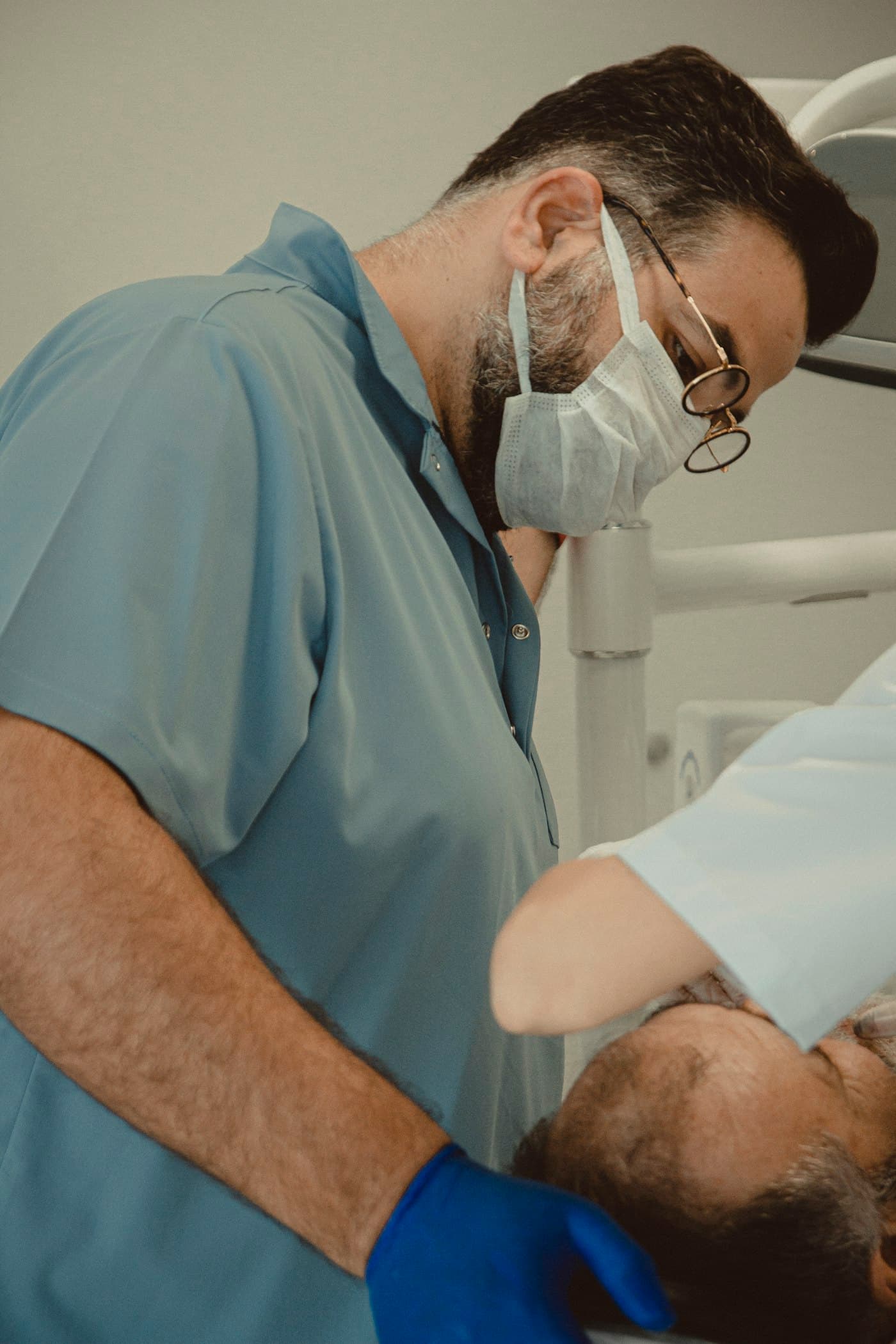
Some dental problems call for a surgical solution. That might be a tooth that can't be saved, an implant that needs placing, or a procedure that prepares your mouth for later treatment. We plan every surgical case carefully, with detailed imaging beforehand.
Dr. Shah walks you through exactly what to expect, so there are no surprises on the day of your procedure.
What oral surgery covers here
Oral surgery is a category rather than a single procedure. At Avora Dental it covers taking out a tooth that can't be saved, removing wisdom teeth, and placing a dental implant. It also covers preparing a site so later work has something to sit on. Dr. Shah reviews every case personally, which means the person planning your surgery is the person doing it.
That matters more than it sounds. Surgical work is where the plan and the execution have to agree, and one doctor holding both ends means the imaging, the plan, and the recovery aren't handed between people. These are the situations that usually bring someone in.
If you've been told elsewhere that you need an extraction and you want a second opinion before booking it, that's a reasonable thing to ask for. We look at the tooth, take our own imaging, and tell you what we'd do with it. Sometimes that's the same answer you already heard. Sometimes the tooth can be restored instead, and you'll hear that too.
- A tooth that can't be restored with a filling or a crown
- Preparing for a dental implant
- Wisdom teeth that are impacted or causing trouble
- An extraction you've been told you need
- A growth, a cyst, or another issue that needs evaluating
Planning comes before anything else
Good surgical outcomes start before the procedure. We use detailed imaging, including 3D imaging when it helps, to see your bone, your nerves, and the teeth either side of the site. The procedure is then planned in advance rather than worked out in the chair.
After that we walk you through it. The steps, what recovery involves, and what it costs. Cost depends on which procedure you need, how complex the site is, whether imaging or grafting is involved, and which comfort option you choose. Starting prices for common treatments are on our pricing page, and the figure for your case is confirmed in writing at your consultation. We can check what your insurance will cover first.
Comfort options get discussed before the day rather than on it. Which one fits depends on the procedure and on your medical history, and it affects whether you should arrange a ride home. Share your full health history and the medications you take while we're planning, because both can change what we recommend.
The area is numbed thoroughly before we start. You'll notice pressure and movement. Where the anesthetic goes is part of the plan, because a lower molar and an implant site are not numbed the same way.
When surgery is not the answer, and what we refer out
Extraction is sometimes the right call. It isn't where we start. When a tooth can be saved with a filling, a crown, or a root canal, we'll tell you so, even when taking it out would be quicker. A tooth you keep is worth more than a tidy appointment.
The honest limit runs the other way too. This is a general practice that does surgical work, not an oral and maxillofacial surgery clinic. The list above is what we take on here. A case outside it gets referred. So does a case inside it where the complexity, the sedation you'd need, or your medical history means you're better off with a specialist.
A growth, a cyst, or a lesion we aren't sure about gets looked at and then sent for a specialist opinion if that's what it needs. Dr. Shah reviewing every case personally is also how a case gets turned down.
You'll hear that at the consultation, not on the day of surgery. Being told early that your case belongs somewhere else isn't a wasted visit. It's the visit doing its job.
Recovery, and when to call us
Most of the healing happens in the first few days. Expect some swelling and soreness, which usually peak early and then ease off. Ice on the cheek helps on the first day, soft food helps for longer, and taking the first day to rest is worth it.
Food goes soft and cool at first, then back toward normal as you heal. Avoid straws, smoking, and vigorous rinsing early on, since those can dislodge the blood clot protecting the site. Your written instructions are specific to your procedure, so follow them ahead of anything general, and you get a way to reach us with questions.
Call us if pain gets worse after the first few days instead of better. Call if you have heavy bleeding, a fever, or swelling that keeps increasing. Trouble breathing or swallowing belongs at a hospital rather than with us, whichever procedure you had.
Recovery time varies by procedure, so you get a plan for your own case before you leave rather than a general one. Avora Dental is on State Road 436 in Altamonte Springs, and we welcome patients from Longwood, Winter Park, Maitland, and Casselberry. Call (407) 774-4433 or request a consultation to talk through your case.
Benefits
Why patients choose this
- Careful planning with detailed imaging
- One doctor handling your case from consultation through recovery
- Clear, honest explanations before any procedure
- Comfort-focused approach throughout treatment
Is This Right For You?
Signs to look for
- A tooth that can't be restored with a filling or crown
- You're preparing for dental implants
- You've been told you need an extraction
- You have a growth, cyst, or other issue requiring evaluation
What to Expect
Your visit, step by step
A consultation and imaging to plan your procedure
A clear conversation about what to expect and your comfort options
The surgical procedure itself
Detailed aftercare instructions and follow-up
Questions
Common questions about oral surgery
It depends on the procedure and on your medical history. We go over the comfort and sedation options that fit your case before the day rather than on it. Which one you choose also affects whether you can drive yourself home, so ask about that while we're planning.
It varies by procedure, so you get a specific plan for your case before you leave. In general, most of the healing happens in the first few days, and swelling and soreness usually peak early and then ease off. Call us if pain worsens instead of easing.
You get instructions for your specific procedure. In general, share your full health history and the medications you take, follow any eating guidance we give you, and ask whether you should arrange a ride home. Sorting the ride out in advance is easier than sorting it afterward.
Usually soft, cool foods at first, then a gradual return to normal as you heal. Avoid straws early on, since the suction can dislodge the clot protecting the site. A grafted site can need longer on soft food than a straightforward extraction does, and your own sheet says which applies to you.
Call if you have heavy bleeding, a fever, pain that gets worse after the first few days, or swelling that keeps increasing. Which of those is likely depends on which procedure you had, so tell us what was done when you call. For trouble breathing or swallowing, go to the emergency room.
It depends on which procedure you need, how complex the site is, whether imaging or grafting is involved, and which comfort option you choose. You get an estimate in writing before treatment, and we can check what your insurance covers first. Starting prices are on our pricing page.