Surgical & Specialty
Wisdom Tooth Removal
Wisdom teeth are the third molars at the very back of your mouth, and not all of them need to come out. Avora Dental images yours first, so we can see how they sit before recommending anything. Removal means numbing the area, taking the tooth out, and written aftercare to take home.
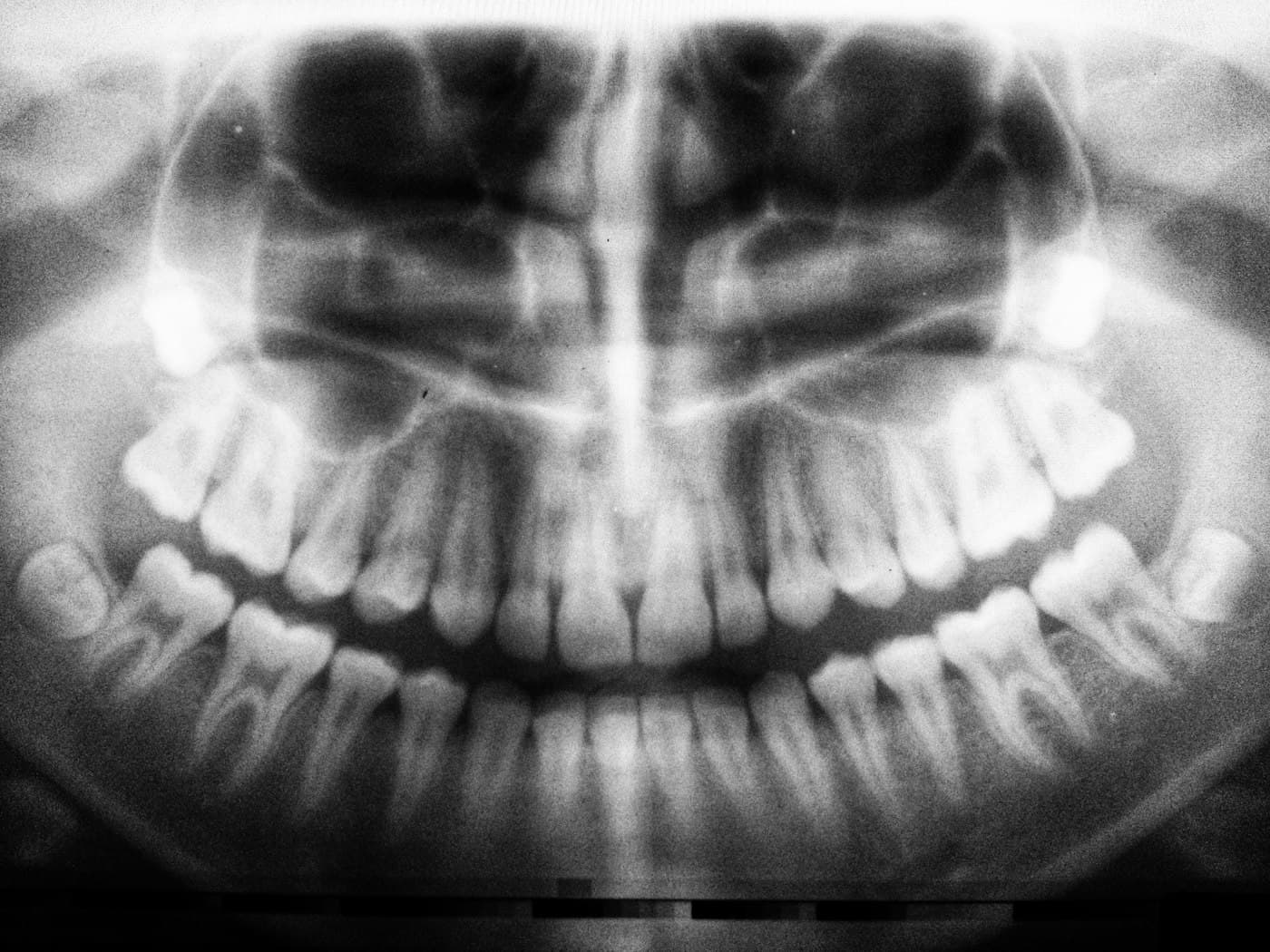
Wisdom teeth don't always cause problems. When they're impacted, crowded, or positioned to cause trouble later, removal is often the simplest path forward. We evaluate yours with imaging, then tell you whether removal makes sense and how soon.
We plan every extraction around your comfort, with clear aftercare guidance for a smooth recovery.
How we decide whether yours need to come out
Not every wisdom tooth has to be removed. The decision comes from what the imaging shows and what the tooth is actually doing, rather than from a blanket rule applied to everybody.
Imaging shows us exactly how your wisdom teeth are positioned, including how close they sit to the neighboring teeth and to the nerves. Then we explain what we see, whether removal makes sense, and how urgent it is. You're making an informed choice at that point instead of taking our word for it. Removal is usually recommended in these situations.
Symptoms help, but they aren't the whole picture. Pain, swelling, gum tenderness at the back of your mouth, bad breath, or difficulty opening can all point to a wisdom tooth. Some problem teeth cause no symptoms at all, which is why imaging at a regular exam is the reliable way to know. If yours have never been looked at, that's the place to start rather than waiting for one to flare up.
- Impacted, meaning stuck under the gum or the bone
- Only partly erupted, so the gum around it traps bacteria
- Decayed, in a spot that's hard to repair
- Causing repeated gum infections
- Damaging the tooth next to it
- Contributing to pain or a cyst
When wisdom teeth are better left alone
A healthy, fully erupted wisdom tooth that you can clean well often stays. If it has come through in a usable position and isn't decayed, there's no reason to take it out. What settles it is whether the gum around it is healthy and whether you can reach it with a brush and floss. We'll tell you that rather than booking an extraction.
Leaving them alone isn't the same as ignoring them. A wisdom tooth that's fine now can become a problem later, so we check them at your regular exams and compare the imaging over time. What changes the recommendation is a change in the tooth.
There are also teeth where removal is less straightforward, and that shapes the conversation rather than ending it. A tooth sitting close to a nerve is one. Your medical history is another. We talk through what that means for your case before you decide, and some cases are better placed with an oral surgeon than done here.
The question we're answering is whether a tooth is causing harm or is likely to. When the answer is no, the honest recommendation is to leave it and keep watching it.
What removal involves
We numb the area thoroughly before anything starts. Some wisdom teeth come out like any other tooth. An impacted one may need a small surgical approach to reach it, which is a different appointment to plan for. We explain which yours is beforehand rather than on the day.
Numbing means you shouldn't feel pain during the procedure. You'll notice pressure and some movement. Tell us if anything feels sharp and we'll stop and add more.
We go through your comfort options before we book. Which one you choose affects whether you can drive yourself home, so ask about that while we're planning and arrange a ride if you need one. It affects the cost too, along with how many teeth are coming out and how they're positioned. You get an estimate in writing before treatment, and we can check your insurance benefits first.
You leave with written aftercare instructions specific to your procedure and a way to reach us if something doesn't look right. Most patients feel much better within a few days, with full healing over one to two weeks.
Recovering, and when to call us
Recovery goes more smoothly when you follow the aftercare closely. In general, rest for the first day and use ice on your cheek as directed. Eat soft foods. Avoid straws, smoking, and vigorous rinsing early on, since those can dislodge the blood clot that protects the socket. Your written instructions are specific to your procedure, so follow those ahead of anything general.
Call us if pain gets worse after the first few days instead of better. Call if you have a fever, a persistent bad taste, spreading swelling, or bleeding that won't stop. None of those mean you've done something wrong, and all of them are easier to deal with early.
A painful condition called dry socket can happen when the clot is lost too soon. It's treatable, so it's worth the call rather than waiting it out.
For severe swelling with trouble breathing or swallowing, go to the nearest emergency room rather than waiting for us. Our office is on State Road 436 in Altamonte Springs, and we welcome patients from Longwood, Winter Park, Maitland, and Casselberry. If your wisdom teeth are hurting, call (407) 774-4433 and we'll do our best to see you promptly.
Benefits
Why patients choose this
- Prevents crowding and pressure on nearby teeth
- Reduces risk of infection or cyst formation
- Addresses pain caused by impacted teeth
- Clear aftercare support for smooth healing
Is This Right For You?
Signs to look for
- Pain or swelling near the back of your jaw
- X-rays showing impacted or angled wisdom teeth
- Crowding in your other teeth
- Difficulty cleaning around your back molars
What to Expect
Your visit, step by step
Imaging to evaluate your wisdom teeth's position
A conversation about your options and what to expect
The extraction procedure, with comfort options discussed beforehand
Clear aftercare instructions for recovery
Questions
Common questions about wisdom tooth removal
No. Some erupt in a usable position and cause no problems, and a healthy one you can clean well often stays. Removal is recommended when a tooth is impacted, only partly through, decayed, or damaging the tooth next to it. Imaging is what tells us which yours are.
Most patients feel significantly better within a few days, with full healing over one to two weeks. Swelling and soreness are normal early on and usually ease from there. Your written aftercare is specific to your procedure, so follow that first, and call us if pain worsens instead of easing.
We numb the area, so you shouldn't feel pain during the procedure. You'll notice pressure and movement, and you should tell us if anything feels sharp. Afterward, soreness and swelling are normal and usually manageable with the aftercare we recommend. Call us if the pain is getting worse.
Pain, swelling, gum tenderness at the back of your mouth, bad breath, or difficulty opening can all be signs. Some problem teeth cause no symptoms at all, so imaging at a regular exam is the reliable way to know. Ask us to look at yours at your next visit.
It's a painful condition where the blood clot protecting the socket is lost too early. Avoiding straws, smoking, and vigorous rinsing early on is what reduces the risk. It's treatable, so call us if pain gets worse a few days after removal instead of better.
It depends on how many teeth are coming out, how they're positioned, and which comfort option you choose. You get a written estimate before treatment and we can check your insurance benefits first. Sedation is quoted as its own line, so ask for the figure with and without it.