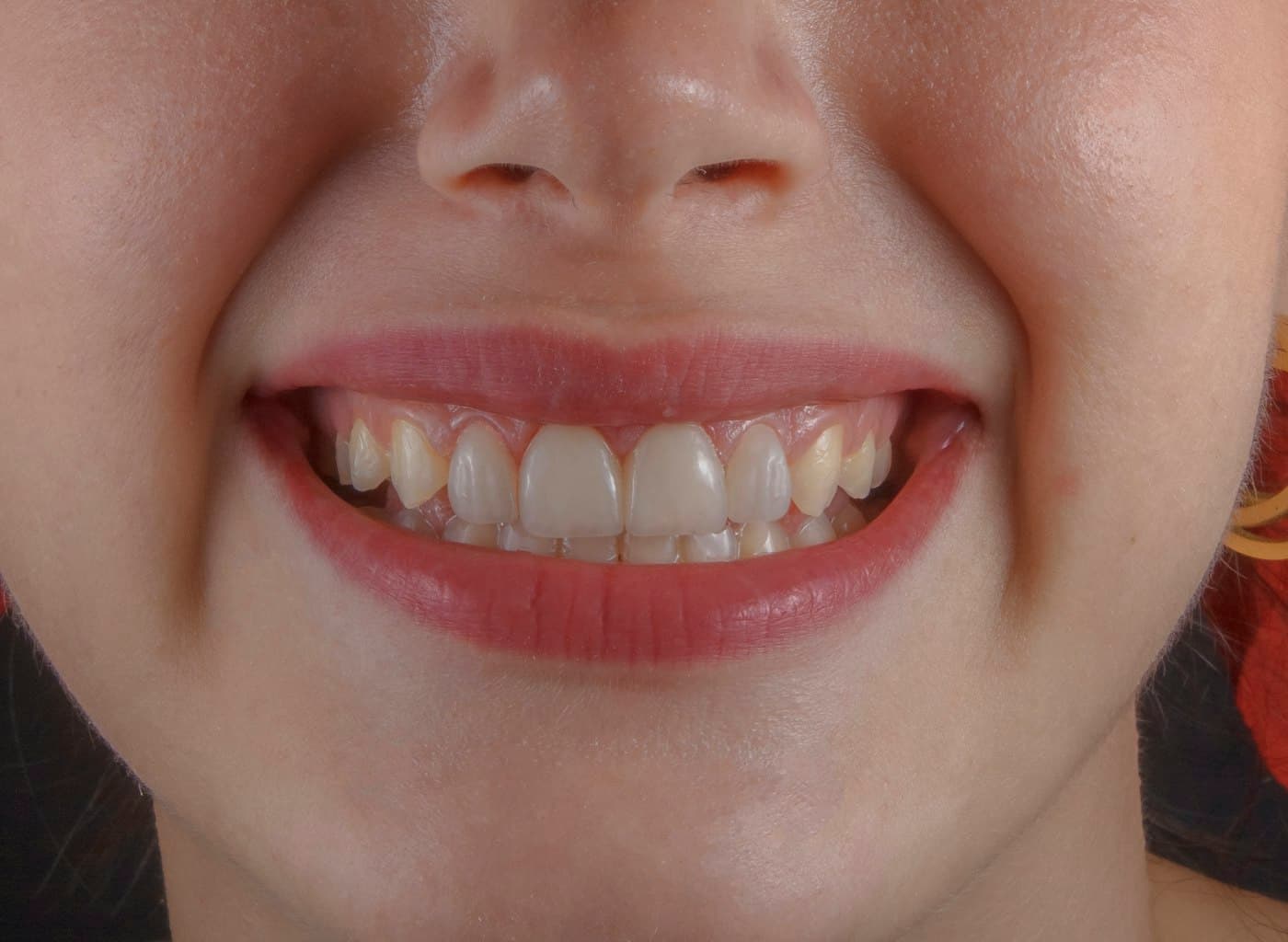
Seven habits do most of the quiet damage we see. Chewing ice. Using your teeth as tools. Biting your nails. Brushing too hard. Snacking all day. Grinding at night. Sipping sweet or acidic drinks for hours. None of them hurts your teeth once. Repeated for years, each one wears enamel, chips it, or feeds decay.
Most tooth damage doesn't happen in a single dramatic moment. It builds up slowly from small daily habits that feel harmless at the time. Here are the ones we see most often.
- Chewing ice, which is hard enough to chip or crack enamel, especially on teeth that already have fillings
- Using your teeth as tools, because opening packages or bottle caps puts uneven pressure teeth aren't designed for
- Nail biting, a repetitive habit that can wear down front teeth and stress your jaw joint
- Brushing too hard, since aggressive brushing wears enamel and irritates gums more than it cleans
- Constant snacking, which keeps your mouth acidic far longer than a few larger meals
- Grinding or clenching, especially during sleep, often unnoticed until a dentist spots the wear pattern
- Sipping acidic or sugary drinks throughout the day, where the prolonged exposure matters more than the total amount consumed
Pick the one you do most often rather than the one that sounds worst. Frequency is what causes the damage, so an all-day sipping habit usually matters more than the occasional bottle cap. Grinding is the exception, because it needs a nightguard rather than a decision, and you can't stop it by trying harder.
Habits that chip or crack a tooth
Enamel is the hardest tissue in your body, and it's also brittle. Biting through ice loads one small point on a cusp, hard and cold at the same time. A tooth with a large filling has less of its own structure holding that cusp together, so it tends to go first.
The crack often doesn't hurt at the moment it forms. It shows up later as sensitivity to cold, or as a piece that breaks off while you're eating something soft. To break the habit, deal with the ice rather than with willpower. Order drinks without it, or switch to crushed ice and let it melt instead of crunching it.
Teeth are built to take force straight down their long axis. Opening a bottle cap, tearing tape, or holding a nail loads them sideways instead. Front teeth take the worst of it, because they're thin and have a single root. The usual results are a chipped edge, a worn notch, or a bonded repair that pops off.
Keep scissors in the kitchen drawer and a bottle opener on your keyring. That's the whole fix, and it works because this habit is mostly about what's within reach.
Habits that wear enamel and gum away
Nail biting grinds the edges of your upper and lower front teeth against each other many times a day. Over years that flattens the edges, and it can shift front teeth slightly. It also keeps the jaw joint and the muscles around it under low-grade load, which some patients feel as soreness near the ear.
Nail biting is usually a stress habit, so treat it like one. Keep nails short, try a bitter nail coating, and give your hands something else to do when you catch yourself starting. Mention it at your checkup, because the wear pattern tells us whether it's doing damage yet.
Pressure doesn't clean teeth. Technique and contact time do. Scrubbing hard with a stiff brush wears a groove where the tooth meets the gum, and that spot has less enamel to spare than the rest of the tooth. Hard brushing also pushes the gum back, which exposes root surface that feels every cold drink.
Use a soft-bristled brush, hold it like a pen, and move it in small circles for two minutes. If your bristles splay outward within a month, you're pressing too hard. An electric brush with a pressure sensor takes the guesswork out of it.
Habits that keep your mouth acidic for hours
Every time you eat, the bacteria in plaque produce acid, and your enamel loses minerals until saliva brings the pH back up. That recovery takes time. Three meals give your mouth three acid episodes and long stretches to recover in between. Grazing from morning to night gives it no stretch at all, which is why frequency matters more than quantity.
Group what you eat into fewer sittings. Finish a snack rather than nursing it, and rinse with water afterward. If you want something between meals, cheese, nuts, or plain yogurt are gentler on enamel than crackers and dried fruit.
A soda, a sports drink, or a sweetened coffee does its damage over the time it spends in your mouth, not in the moment you swallow. One drink finished in ten minutes is one acid exposure. The same drink nursed over three hours keeps your enamel under acid the whole time. Sparkling water, citrus water, and diet soda are acidic too, even without the sugar.
Drink it with a meal rather than between meals, finish it rather than sipping, and follow it with plain water. Don't brush straight afterward, because softened enamel brushes away more easily. Wait about half an hour.
What early wear looks like at a checkup
Most grinding happens during sleep, so you never get to observe it. What we see is flattened chewing surfaces, shiny wear facets, hairline cracks in enamel, and fillings that keep failing on the same tooth. Patients often report a dull ache in the jaw on waking, or headaches that start at the temples.
- Shiny flat facets on back teeth, which point to grinding
- A notch at the gum line on the outer surface of a tooth, usually from brushing pressure
- Hairline cracks running down a cusp, often on a tooth with a large old filling
- Worn, slightly translucent edges on the upper front teeth, which acid tends to cause
- Gums receding more on one side, which often matches the hand you brush with
None of these needs drilling when we catch it early. Most of the time the answer is a habit change, a nightguard, or fluoride to strengthen the surface. Left alone, the same spots turn into fillings, crowns, and root canals.
What stopping the habit does not undo
None of these habits typically cause a problem after one instance, and that's exactly what makes them easy to ignore. It's the repetition, day after day for years, that eventually shows up as a chip, a crack, or accelerated wear.
There's a second reason they get missed. Enamel doesn't grow back. A worn notch or a flattened edge is permanent. Stopping the habit stops the progress, which is worth a lot, but it doesn't restore what's already gone.
A custom nightguard doesn't stop the clenching, but it gives the force something to land on other than your teeth. Boil-and-bite guards from a pharmacy are bulkier and wear through faster. If you think you're grinding, say so at your next visit and we'll look at the wear pattern and your bite together.
What to do about the habit you recognize
You don't need to catch every habit perfectly. Start with whichever one feels most familiar from this list, and mention it at your next checkup. We can often spot early wear patterns before they become a bigger repair.
If you're overdue for a visit, that's the thing to book. Call (407) 774-4433 and we'll look at where your teeth are wearing and tell you plainly whether it needs anything yet.