Cosmetic
Dental Bonding
Dental bonding fixes a small flaw by adding material rather than removing any. Avora Dental matches a composite resin to your tooth shade, builds it up in layers, hardens each layer with a light, then shapes and polishes it. Most repairs take one visit, often with no numbing. Bonding typically lasts 4 to 8 years.
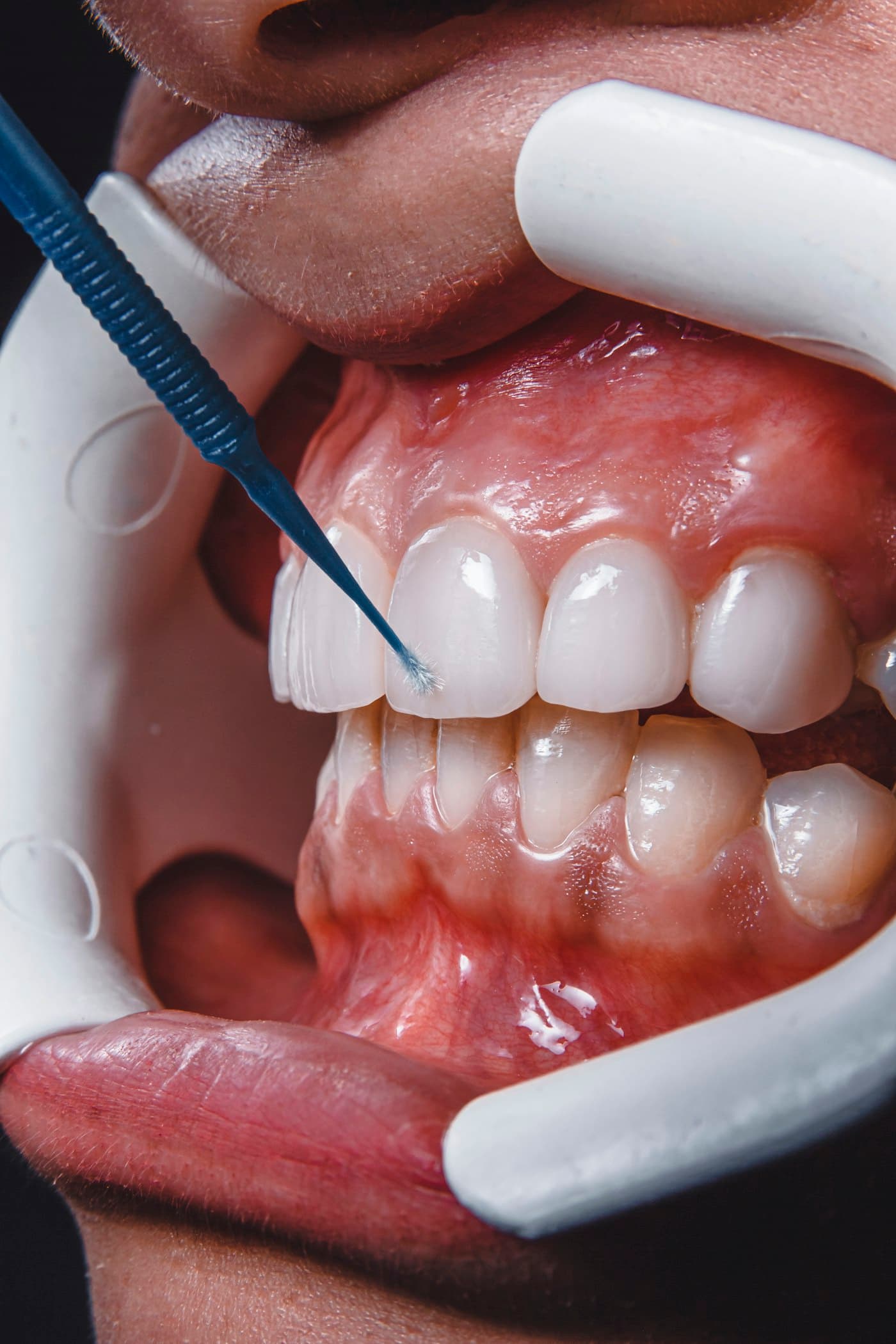
Dental bonding is one of the fastest and most conservative cosmetic options available. A tooth-colored composite resin is sculpted directly onto your tooth to repair a chip, close a small gap, or reshape an edge. It asks for none of the commitment that veneers do.
It's a great option for minor refinements or as a same-day fix before a big event.
What bonding can fix
Bonding adds material instead of removing it. A tooth-colored composite resin is sculpted directly onto your tooth, hardened with a light, then polished until it blends with the surface around it. Because little or no enamel is taken away, the change is reversible in a way that veneers are not. The resin is shade-matched to the tooth it sits on, so a single repaired corner does not read as a patch.
It is the most conservative cosmetic option we have, and it asks for none of the commitment that veneers do. That makes it useful both as a repair and as a way to try a change before you decide on something permanent. It is also quick, often finished in under an hour.
A same-day repair matters more than it sounds. A chipped front tooth before a wedding or a photograph is the sort of thing bonding fixes in one appointment, with no lab step and nothing to wait for. The work it suits is small and specific.
- A chip or a crack in the enamel
- A small gap between two teeth
- A worn or uneven edge that needs reshaping
- A stained spot on a single tooth
- An area of exposed root that needs covering
How bonding is done
We start with shade. We hold samples against the tooth in the light of the room and pick the one that disappears against it, because a repair that is slightly too bright is more noticeable than the chip was. Then we lightly prepare the surface so the resin has something to grip.
The resin goes on in layers and is shaped as we go. A curing light hardens each layer before the next one goes down. The last step is the longest, which is polishing, because the shine on the surface is most of what makes a repair look like enamel rather than filling material. We check the new edge against your bite before you get up.
Most bonding needs little or no numbing, and many repairs are finished in a single visit. We will numb the area if you would like us to, or if the work runs onto an exposed root. Tell us if anything feels sharp or cold while we work, and we will stop and sort it out.
Who bonding suits, and who it doesn't
Bonding works best on a small, contained problem: one chipped corner, a narrow gap, an edge that has worn unevenly, a single stained spot. It also suits you if you want to try a change without committing to something permanent, since little or no enamel is removed.
It's a poor fit when a tooth is badly broken down, or when your bite puts heavy force on the spot being repaired. It's also the wrong tool if you want one uniform change across many teeth. Resin won't lighten with whitening either, so if whitening is in your plans we do that first and match the resin to the new shade. Active decay or gum disease is treated before any cosmetic work.
That is where the other options come in. Veneers are stronger and more stain resistant, and they hold up better over a larger change across several teeth. A crown covers an entire tooth that is badly damaged, which is a different problem from a cosmetic one. We recommend the lightest option that will meet your goals, and we will tell you when bonding is not it.
Caring for bonded teeth
Resin stains and chips more easily than porcelain, so habits matter more here than with other work. Biting your nails, chewing ice, and opening packages with your teeth are what break a bonded edge, and coffee, tea, red wine, and tobacco are what dull the color over a few years.
Keep up your regular cleanings, because a polish at the hygiene visit does a lot to bring the surface back. Brush and floss normally. There is nothing special to buy. If a bonded edge starts to feel rough under your tongue, that is worth a look rather than a wait.
Bonding typically lasts 4 to 8 years, and where it sits in your mouth and what you do with it decide which end of that you land on. The good news is that it is repairable. A chip in bonding can usually be touched up or rebuilt without starting the whole tooth again.
Bonding in Altamonte Springs
What bonding costs depends on how many teeth are involved and how much shaping each one needs. It is usually the least expensive of the cosmetic options, which is part of why we suggest it whenever it will do the job. The starting figure is on our pricing page, and since a quote depends on the tooth count, you get yours in writing at the consultation rather than over the phone.
Insurance sometimes contributes when bonding repairs a damaged tooth, while purely cosmetic bonding often is not covered. Coverage varies by policy, and we can check your benefits before anything is scheduled. The estimate shows what is claimed and what is left for you.
Avora Dental is on State Road 436 in Altamonte Springs, and we see cosmetic patients from Longwood, Winter Park, Maitland, and Casselberry. Request a consultation, bring the tooth that is bothering you, and we will show you what bonding can and cannot do for it.
Benefits
Why patients choose this
- Completed in a single visit, often in under an hour
- More conservative and affordable than veneers
- Reversible and easy to touch up over time
- Natural-looking results that blend with your smile
Is This Right For You?
Signs to look for
- A small chip or crack in a front tooth
- A minor gap between two teeth
- An irregularly shaped or slightly worn tooth
- You want a subtle cosmetic refinement, not a full makeover
What to Expect
Your visit, step by step
Selecting a resin shade that matches your teeth
Applying and sculpting the composite resin
Curing the material with a special light
Polishing for a smooth, natural finish
Questions
Common questions about dental bonding
Bonding typically lasts 4 to 8 years. Where it sits matters, because an edge that takes chewing force has a harder job than a repair on a smooth surface. Habits like nail biting and grinding shorten it. When it does chip, it can usually be repaired rather than replaced.
No. Porcelain is stronger and more stain resistant than composite resin, and veneers hold up better over a larger cosmetic change. Bonding suits smaller repairs, and it is more conservative, because little or no enamel is removed. We will tell you which one your teeth actually call for.
Usually there is little to feel, because bonding adds material rather than drilling a tooth away. Many repairs need no numbing at all. We will numb the area if you would like us to, or if the work runs onto an exposed root. Tell us beforehand if the tooth is sensitive to air or cold.
Composite resin picks up stain over time, more readily than porcelain does, especially from coffee, tea, red wine, and tobacco. Good daily cleaning slows it, and a polish at your hygiene visit brings a lot of it back. Resin will not lighten with whitening, which is why we whiten first if that is in your plans.
Yes. A chip or a worn edge in bonding can usually be smoothed, touched up, or rebuilt without starting the whole tooth again. That is one of the reasons we like it for small work. Bring it in when you notice it, because a rough edge tends to catch and chip further.
It depends on why the bonding is being done. Repairing a damaged tooth is sometimes covered in part, while purely cosmetic reshaping often is not. Coverage varies by policy and by where you are in your annual limit. We can check your benefits and put the estimate in writing first.