Preventive & Family
Scaling & Root Planing
Scaling and root planing is the deep cleaning that treats gum disease below the gumline, where a regular cleaning can't reach. Avora Dental measures the pockets around your teeth, numbs the area, then clears tartar off the root surfaces and smooths them so the gums can reattach. Bigger cases are treated in sections over more than one visit.
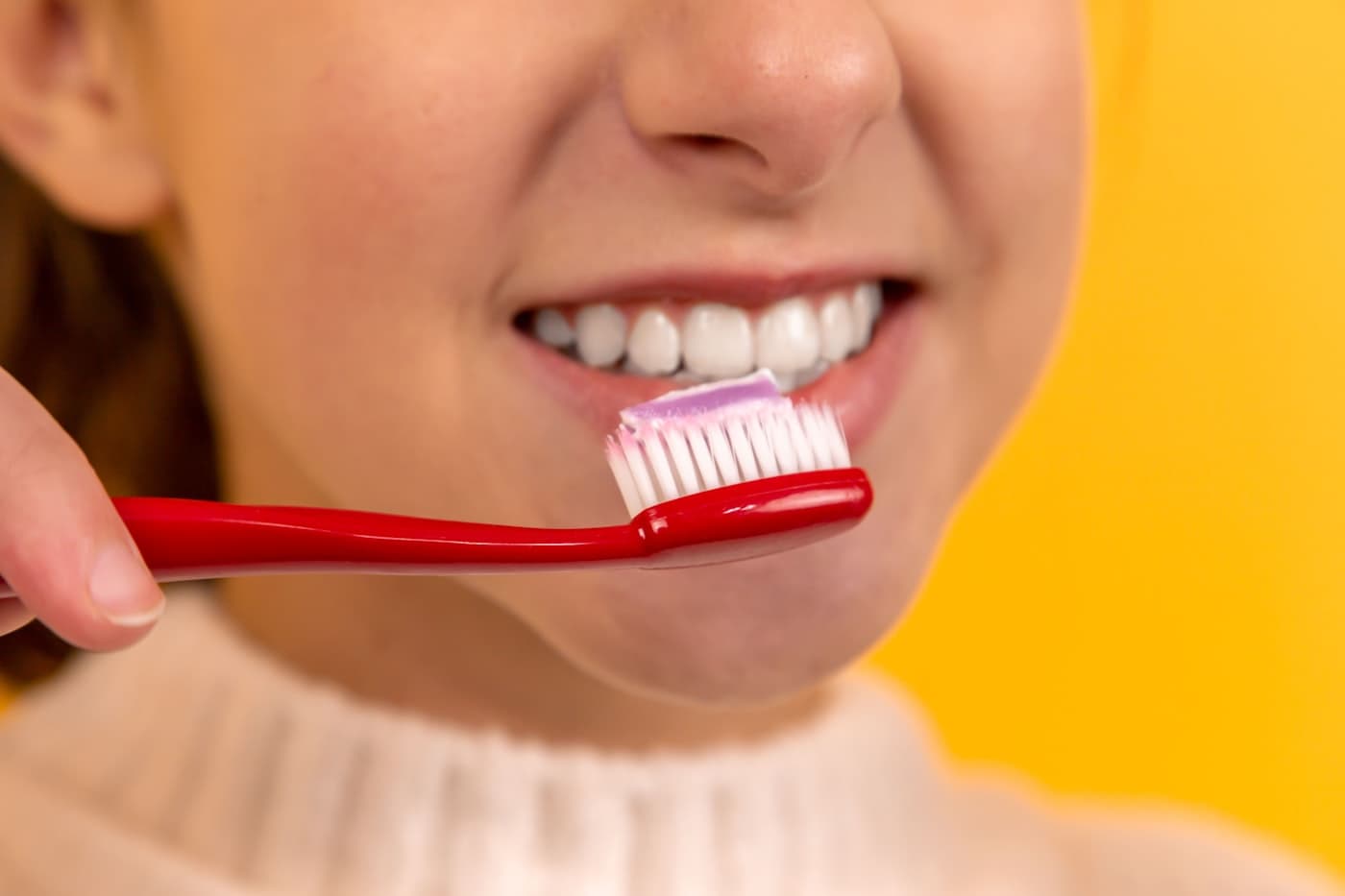
When plaque and tartar build up below the gumline, a routine cleaning isn't enough. Scaling and root planing removes that buildup from the tooth roots and smooths them, so your gums can reattach and heal. Most people call it a deep cleaning.
Treating gum disease early protects the bone and tissue that support your teeth long-term.
What gum disease is, and the line that matters
Gum disease starts as gingivitis, which is inflammation of the gums caused by plaque sitting along the gumline. There is no bone loss at that stage, and it reverses with a professional cleaning and better home care. Once pockets have formed and the bone around a tooth has started to recede, the diagnosis changes to periodontitis, and so does the treatment we recommend. That damage does not fully reverse. Bone lost to gum disease does not grow back.
That line is the whole reason bleeding gums are worth mentioning early. Gum disease rarely hurts for most of its course, so there is no ache to prompt a call. Bleeding while brushing gets written off as brushing too hard. Meanwhile the part that can be measured, the bone, carries on changing quietly, and by the time a tooth feels loose a lot has already happened.
Only an exam can tell you where you actually are, but these are the signs worth reporting.
- Gums that bleed when you brush or floss
- Red, swollen, or tender gums
- Persistent bad breath
- Gums that are pulling away from your teeth
- Teeth that feel loose or look longer than before
What scaling and root planing involves
We measure before we treat. At several points around each tooth we check the space between the gum and the tooth, note which points bleed when touched, look for recession, and read the bone level from your X-rays. Those numbers go in your chart, so next time we compare rather than guess.
Then we numb the area. Scaling is the removal of plaque and hardened tartar from the tooth and the root surface below the gumline, inside the pocket where a brush and a routine cleaning cannot reach. Planing is the smoothing of that root surface afterwards, so the gum has a clean surface to reattach to and plaque has less to hold on to.
What you feel is pressure and some vibration, and the scraping sound carries more than the sensation does. Tell us if anything feels sharp and we will add more anesthetic. Depending on how much of your mouth is affected, we usually split the work across more than one visit so each area gets the time it needs, often one side of the mouth at a time.
Healing, and the numbers we check at your follow-up
Your gums are often tender for a few days afterwards, and teeth can feel more sensitive to cold, because the root surfaces are clean and no longer coated in deposits. Soft food helps for a day or two. That sensitivity usually settles, and if it does not, tell us, because there are things we can do about it.
Gentle, consistent brushing and daily cleaning between your teeth are not optional while the gums heal. That is the part that decides whether the treatment holds. We removed what was there. Your routine decides what comes back, and the pockets that remain after bone loss are harder to keep clean than healthy gums are.
At your follow-up we measure the pockets again and compare them with the first set of numbers. If they have come down, you move onto a maintenance schedule, which for many patients means cleanings more often than twice a year. That shorter interval is not an upsell. It is the thing that holds the result. If some areas have not responded, we will tell you plainly and talk through what else can be done.
When a deep cleaning is not the right answer
Scaling and root planing is not the answer to every gum problem, and it is fairer to say so before you book it. If what you have is gingivitis with no pockets formed, a routine cleaning and a change to your home care is the correct treatment, and the deeper procedure would be treating a problem you do not have. Asking why one was recommended over the other is a fair question, and you should get a straight answer with your own measurements attached.
At the other end, a deep cleaning cannot rebuild what is already gone. It clears the deposits and gives the gums a chance to settle, but it does not regrow bone and it does not undo recession. Where pockets stay deep at the re-measurement, or where several areas have not responded, the next step is periodontal care beyond what a deep cleaning does, and that can mean a referral to a periodontist. We would rather send you than keep repeating a treatment that is not holding.
A few other honest limits. Smoking affects both the gums and how well they heal, so the result is less predictable while you still smoke. A tooth that has lost too much support may not be savable, and we will say that rather than treat around it. And if daily cleaning between your teeth is not going to happen, the measurements will drift back, whatever we do in the chair.
Deep cleaning in Altamonte Springs
A deep cleaning is priced by the area of the mouth treated rather than as one flat fee, so the figure depends on how many areas are involved and whether you need a single visit or several. Many plans cover part of the treatment when it is medically necessary, though coverage varies. We verify your benefits and put the estimate in writing before we begin.
Treating gum disease early is also cheaper than the alternative, by a long way. Replacing a lost tooth costs considerably more than treating the gums would have, and an implant needs healthy gums and solid bone to sit in. The disease that takes a tooth can also take away the option you were counting on to replace it.
Avora Dental is on State Road 436 in Altamonte Springs, and we see patients from Longwood, Winter Park, Maitland, and Casselberry. If your gums bleed when you brush, or it has been a while since anyone measured them, call (407) 774-4433 and we will start with an exam and your own readings.
Pricing and financing →Longwood →Winter Park →Maitland →Casselberry →
Benefits
Why patients choose this
- Treats gum disease before it progresses
- Helps gums reattach to tooth roots
- Reduces bleeding, swelling, and bad breath
- Protects the bone structure supporting your teeth
Is This Right For You?
Signs to look for
- Bleeding or swollen gums
- Persistent bad breath
- Gum recession or teeth that look longer
- A diagnosis of gingivitis or early periodontal disease
What to Expect
Your visit, step by step
A periodontal evaluation to measure gum health
Numbing the area for comfort
Scaling to remove buildup, and root planing to smooth the roots
A follow-up to check healing and gum response
Questions
Common questions about scaling & root planing
We numb the treatment area first, so what you feel is pressure and some vibration rather than pain. The sound carries more than the sensation does. Tell us if anything feels sharp and we will add more anesthetic. Gums are often tender for a day or two afterwards.
A routine cleaning removes deposits from the tooth surface above and just below the gumline. The deep version is a treatment rather than a maintenance visit, so your pocket readings decide which areas get it. It takes longer, we numb the area first, and it treats a different problem.
Gingivitis can be reversed, because it is inflammation without bone loss. Periodontitis is different. It can be controlled and stabilized with treatment and ongoing maintenance, but bone that has already been lost does not come back, so the aim is to protect what you still have.
It depends on how much of your mouth is affected. Some patients are treated in one visit. More often the work is split across two or more, commonly one side of the mouth at a time, so each area gets the time it needs. We will tell you the plan before we start.
Often, yes. Pockets that remain after bone loss are harder to keep clean at home, so the interval between visits usually shortens. That maintenance schedule is what holds the result. Patients who keep those visits generally hold their measurements, and patients who drift away tend to lose them again.
Most plans pay toward it only once the pocket readings and bone loss are documented, and many limit how often the same area can be retreated. A deep cleaning is billed by the area of the mouth treated, so the total depends on how many areas you need. We verify benefits and estimate in writing first.