Preventive & Family
Dental Sealants
A dental sealant is a thin coating painted into the deep grooves on the chewing surfaces of back teeth, then hardened with a light. Avora Dental places them where bristles cannot reach and cavities start. The appointment is quick, with no drilling and no numbing. Sealants can last several years, and we check them at every visit.
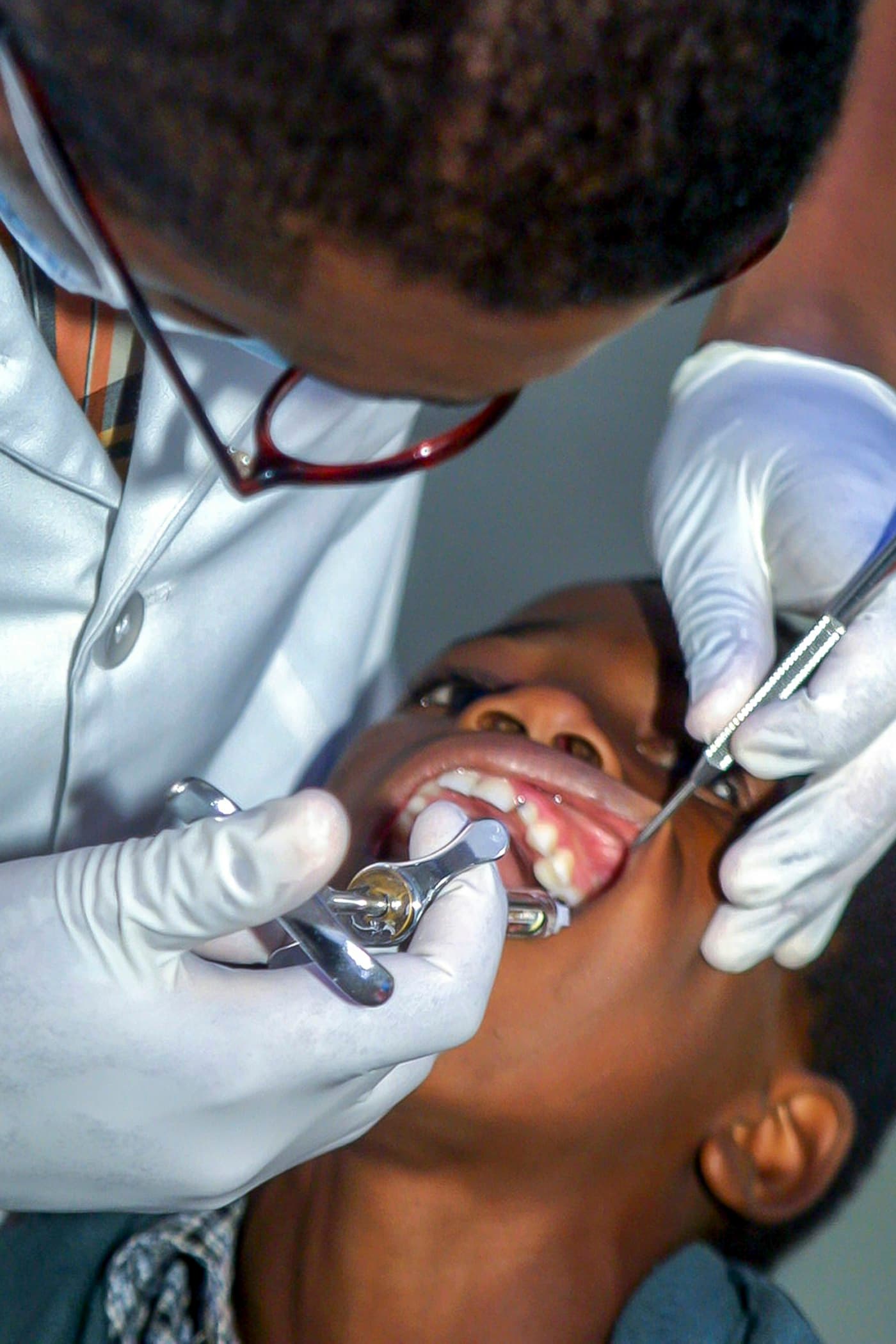
The chewing surfaces of your back teeth have deep grooves that are notoriously hard to keep clean, even with careful brushing. Dental sealants fill in those grooves with a thin protective coating, sealing out the food particles and bacteria that cause cavities.
Sealants go on quickly, with no drilling and no numbing, and they are especially valuable for children and teens as their permanent molars come in.
How sealants work, and who they help
Molars and premolars do the chewing, and their biting surfaces are not flat. They are folded into narrow grooves, some deeper than a toothbrush bristle can get into. Food and bacteria settle in there and stay, which is why cavities on back teeth so often start in a groove rather than on the smooth outer face of the tooth.
A sealant closes that gap in your defenses. The coating flows into the grooves and is hardened in place, leaving a surface smooth enough for a brush to actually clean. Nothing is drilled and no healthy tooth structure is removed, which is what separates prevention from repair.
The teeth that gain most are children's and teens' permanent molars, sealed soon after they come in, because that is when the grooves are deepest and the brushing habits least reliable. Adults are candidates too, as long as the tooth has deep grooves and no existing filling in that surface. We check the back teeth at your exam and tell you which ones are worth sealing and which are not.
What the appointment involves
There is not much to it. We clean the tooth, dry the surface, paint the sealant into the grooves, and harden it with a curing light. Then a quick bite check, to be sure nothing feels high when you close. No drill and no injection, so there is nothing to numb and nothing to recover from afterwards. Most younger children get through it without difficulty, and we talk them through each step first so nothing arrives as a surprise.
We often place sealants at the same appointment as a cleaning, which saves a separate trip. Afterwards you eat and drink normally, though we may ask you to go easy on sticky sweets for the rest of the day.
Sealants can last several years with normal wear, and they do wear. Chewing grinds at them, and an edge can chip without you noticing it happen. That is why we look at them at every exam and reapply or repair one that has worn thin. A sealant nobody checks is doing less than you think, which is the one real catch with them.
When a sealant is not the answer
A sealant only works on a groove that is still healthy. It seals decay out. It cannot seal decay in and make it stop.
If a tooth already has decay in the groove, sealing over it is the wrong treatment, and we will tell you that before we start rather than after. What that tooth needs is a filling, which is a repair: the decayed structure is removed and the space rebuilt. Timing is the whole difference between the two. A molar sealed soon after it erupts may never need the filling. The same molar two years and one cavity later has lost that option.
A tooth that already carries a filling on its chewing surface is usually not a candidate either, and some back teeth have grooves shallow enough that sealing them adds nothing. We would rather leave those alone than seal every tooth in the mouth.
A sealant also does not do the rest of the work. It covers the chewing surface of one tooth, so it does nothing for the contact points between teeth, the gumline, or front teeth. Brushing, cleaning between your teeth, what you drink through the day and regular exams still decide whether you get cavities. Sealants are one layer of prevention, not a replacement for the others.
What it costs, and how to book
Cost depends on how many teeth are being sealed, so it is not one flat fee. Many dental plans cover them for children at or near full benefit, usually up to a certain age and only on specific teeth. Coverage is worth checking before the visit rather than after. We can verify your benefits and give you the figure in writing beforehand. If your plan has aged out of covering them, or the tooth is not one it lists, you hear the out-of-pocket figure before anything is placed.
Most sealants here go on at a regular exam and cleaning, so in practice the decision gets made in the chair with the tooth in front of us. If you want it looked at specifically, say so when you book and we will set the time aside.
Avora Dental is at 249 W State Rd 436 in Altamonte Springs, with free parking on site, and we see patients from Longwood, Winter Park, Maitland and Casselberry. Call (407) 774-4433 or request a free consultation online.
Pricing and financing →Longwood →Winter Park →Maitland →Casselberry →
Benefits
Why patients choose this
- Significantly reduces cavity risk in treated teeth
- Quick to apply, with no drilling or anesthesia
- Especially effective for kids' new permanent molars
- Can last several years with normal wear
Is This Right For You?
Signs to look for
- New permanent molars have recently erupted
- Deep grooves on chewing surfaces that are hard to clean
- A history of cavities on back teeth
- You want extra protection between regular checkups
What to Expect
Your visit, step by step
Cleaning and drying the tooth surface
Applying the sealant material into the grooves
Curing the sealant with a special light
A quick bite check to confirm comfort
Questions
Common questions about dental sealants
They are most common for children and teens, placed on permanent molars soon after those teeth come in. Adults can have them too, as long as the tooth has deep grooves and no existing filling in that surface. We check your back teeth at an exam and tell you whether it is worth doing.
There is no drilling and no numbing, so there is nothing to feel beyond the cleaning beforehand and a brief cool sensation as the coating sets. The tooth itself is not altered. If anything does feel uncomfortable at any point, say so and we stop, which is true of every appointment here.
Several years is typical, though chewing wears them down and an edge can chip without you noticing. We check them at every routine exam and reapply or repair one that has worn thin. That checking is the part that matters, because a worn sealant stops protecting the groove underneath it.
No. A sealant covers the chewing surface of one back tooth. It does nothing for the contact points between teeth, the gumline, or your front teeth. Brushing, cleaning between your teeth and what you eat and drink still decide whether you get cavities. Sealants are one layer, not the whole of prevention.
Then a sealant is the wrong treatment, and we will tell you before we start. Sealing over decay does not stop it. That tooth needs a filling, where the decay is cleared out and the space rebuilt. This is why we check each tooth at the exam rather than sealing on request.
Usually, yes, and that is how most of ours are done, because it saves a separate trip. Tell us when you book if you specifically want sealants looked at, so we set the time aside. Afterwards you can eat normally, though go easy on sticky sweets that day.