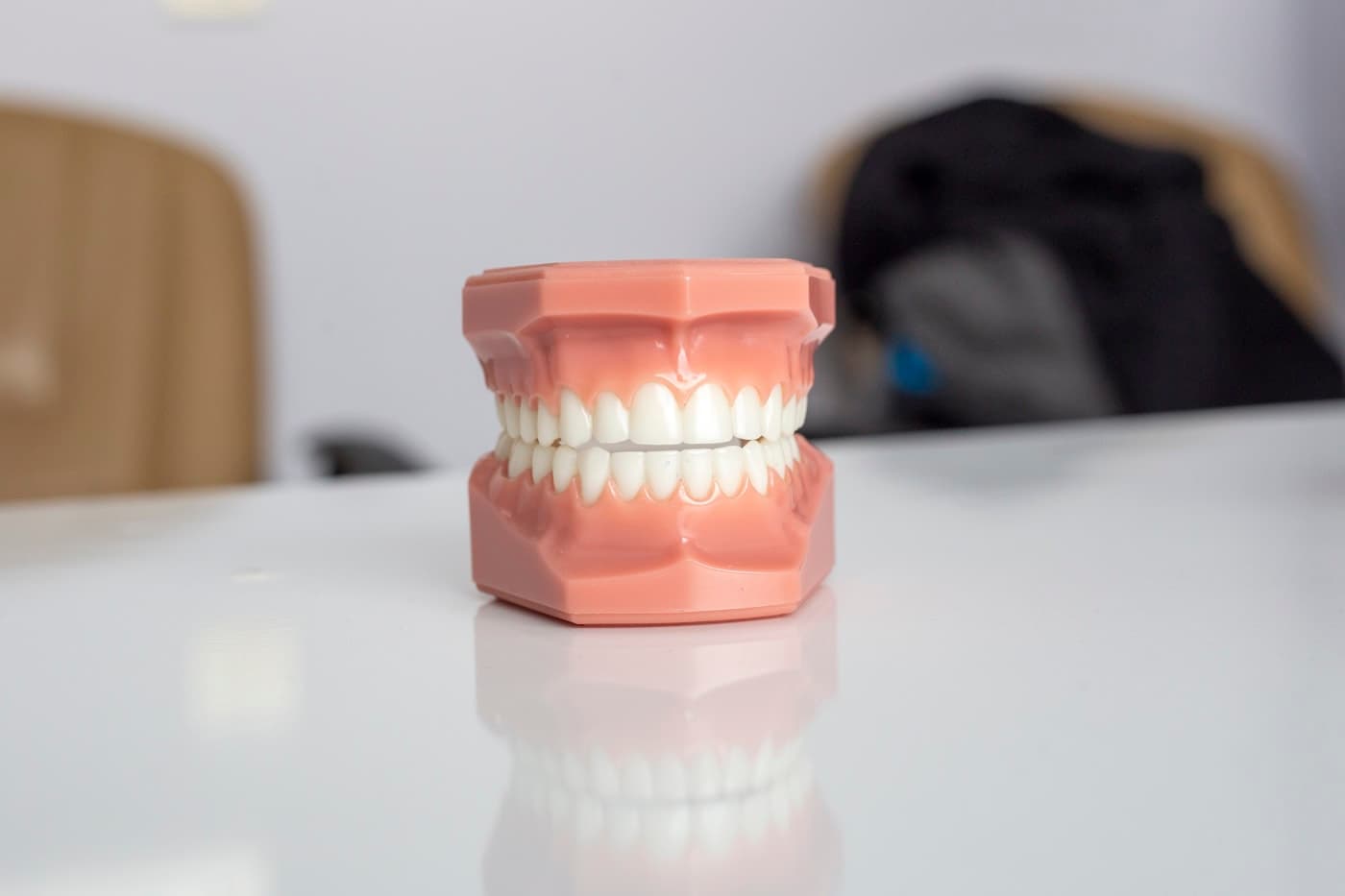
Ignoring a cavity trades the simplest fix for a bigger one. A small cavity in enamel is usually a filling. Decay that reaches the dentin may need a crown, and decay that reaches the nerve often needs root canal therapy. Each step costs more than the one before, and decay keeps going until it is removed.
Tooth decay is a bacterial process that continues to spread through the tooth structure over time. It does not heal on its own the way some minor injuries can. NIDCR on tooth decay describes the same one-way progression through the layers of the tooth. What starts as a surface-level issue gradually works its way deeper toward the nerve, and the deeper it goes the fewer options are left.
Enamel has no nerve supply, so decay that is still in the outer layer is silent. You will not feel it, and you probably will not see it. By the time a tooth reacts to cold or to sweet things, the decay has often reached the dentin underneath, which does connect to the nerve. Pain is a late signal.
That is the whole reason exams and x-rays exist. Decay between two teeth is invisible from the chewing surface and frequently invisible to the eye entirely. An image finds it while a filling is still the answer.
Where decay starts, and who it moves fastest in
Cavities are caused by bacteria in plaque. They feed on the sugars and starches you eat and produce acid as a byproduct, and that acid dissolves mineral out of the enamel underneath. Saliva washes acid away and buffers it, which is why a dry mouth is such a problem and why how often you eat matters more than how much.
That mechanism explains the usual locations. Plaque sits where a brush does not reach. The deep grooves on the chewing surface of molars, right at the gum line, and the contact between two teeth, where floss is the only thing that gets in. Those are the spots your dentist checks first, and the spots an x-ray exists to see.
- Anyone with a history of several cavities in a short period
- People with a dry mouth, often as a side effect of medication
- Frequent sippers of soda, juice, sweetened coffee, or energy drinks
- Patients with deep grooves in their molars, or crowded teeth that are hard to clean between
- Anyone who has not had x-rays taken in several years
- People in orthodontic treatment, where brackets make plaque harder to reach
What the fix is at each stage, from a filling to a crown
- Small cavity in enamel: typically treated with a simple filling
- Decay reaching the dentin: may need a larger filling or a crown
- Decay reaching the nerve: often requires root canal therapy
- Severe or spreading infection: extraction may become the only option
That list is a sequence, not a schedule. Nothing says a tooth has to move through every stage, and plenty of teeth stall somewhere in the middle for years. The point is that the direction of travel only goes one way, and every step down it removes a cheaper option that was available at the step before.
- Local anesthetic, if the area needs it
- Removing the decayed tooth structure
- Cleaning and preparing what is left of the cavity
- Placing a tooth-colored composite filling in layers and setting each one
- Shaping and polishing the filling, then checking it against your bite
A filling does not regrow the tooth, because enamel does not come back once acid has dissolved it, so what you get is a sealed replacement for the part that was lost. Afterward the tooth can be sensitive for a while, often to cold, and that usually settles. If the bite feels high when the anesthetic wears off, call us and we will adjust it.
Once too much of the tooth is gone, a filling has nothing solid left to hold on to, and a dental crown becomes the honest answer. A crown covers the whole tooth. That means more preparation, a lab or milling step, and a larger bill than the filling would have been.
The tooth has fewer options left after that, too. Every restoration is a repair of a repair. You cannot keep adding to the same tooth forever without eventually reaching the nerve.
What waiting costs, and what to do if cost is the obstacle
This is where waiting actually costs more, not less. A filling is a fraction of the cost of a crown. A crown is a fraction of the cost of a root canal plus a crown. An extraction brings its own replacement costs later, whether that ends up being an implant, a bridge, or a denture.
- Appointment time: one short visit now instead of several longer ones later
- Discomfort: a planned filling instead of an unplanned toothache
- Choice: your options narrow as the decay gets deeper
- Your own tooth structure, which does not come back
- Time off work or school, usually at the worst possible moment
That is a common reason, and it is worth saying out loud at the front desk rather than quietly cancelling. Treatment can usually be sequenced so the teeth most at risk are dealt with first and the rest is planned out. Financing options are available, and your written plan tells you what each stage costs before you agree to it.
How to prevent the next one, and what to do before the appointment
Fixing a cavity does not fix what caused it. A filling repairs the damage, and the habit, the dry mouth, or the area you keep missing carries on unless something changes.
- Brush twice a day with a fluoride toothpaste, and clean between your teeth daily
- Cut how often you have sugary and acidic drinks, not just how much
- Drink water through the day, especially if your mouth feels dry
- Ask which surfaces you keep missing, since most people have a consistent blind spot
- Keep to the checkup interval your dentist recommends for you rather than the one you remember
- Keep the area clean, even if it feels tender, since plaque sitting on it makes things worse
- Go easy on sugary and acidic drinks, particularly sipped slowly over a long stretch
- Note what sets the tooth off, because cold, sweet, and pressure each tell us something different
- Call sooner if it starts waking you at night, or if the gum beside it swells
- Do not cancel because the pain stopped, since a tooth going quiet can mean the problem moved rather than left
What this post cannot tell you: how fast, or how much
It varies, and more than most people expect. Some cavities sit almost unchanged for a long stretch. Others move quickly, particularly in children, in anyone with a dry mouth, and in people who sip sugary or acidic drinks through the day. Nobody can give you a date for when your small cavity becomes a root canal, which is exactly the problem with waiting to see.
We do not quote a number for your tooth here, because it depends on which tooth it is and how deep the decay has gone. What our pricing page can show you is the gap between a filling and the crown or root canal the same tooth needs later, which is the comparison worth making while the cavity is still small.
What to do if a cavity has been flagged
The one approach that reliably costs more is doing nothing and hoping. Decay does not negotiate.
If your dentist has flagged a small cavity, treating it now is almost always the simpler and less expensive path compared with waiting for it to become unavoidable.
If something has been flagged, or you are overdue a look, we are on State Road 436 in Altamonte Springs. Call (407) 774-4433 and we will book you in.