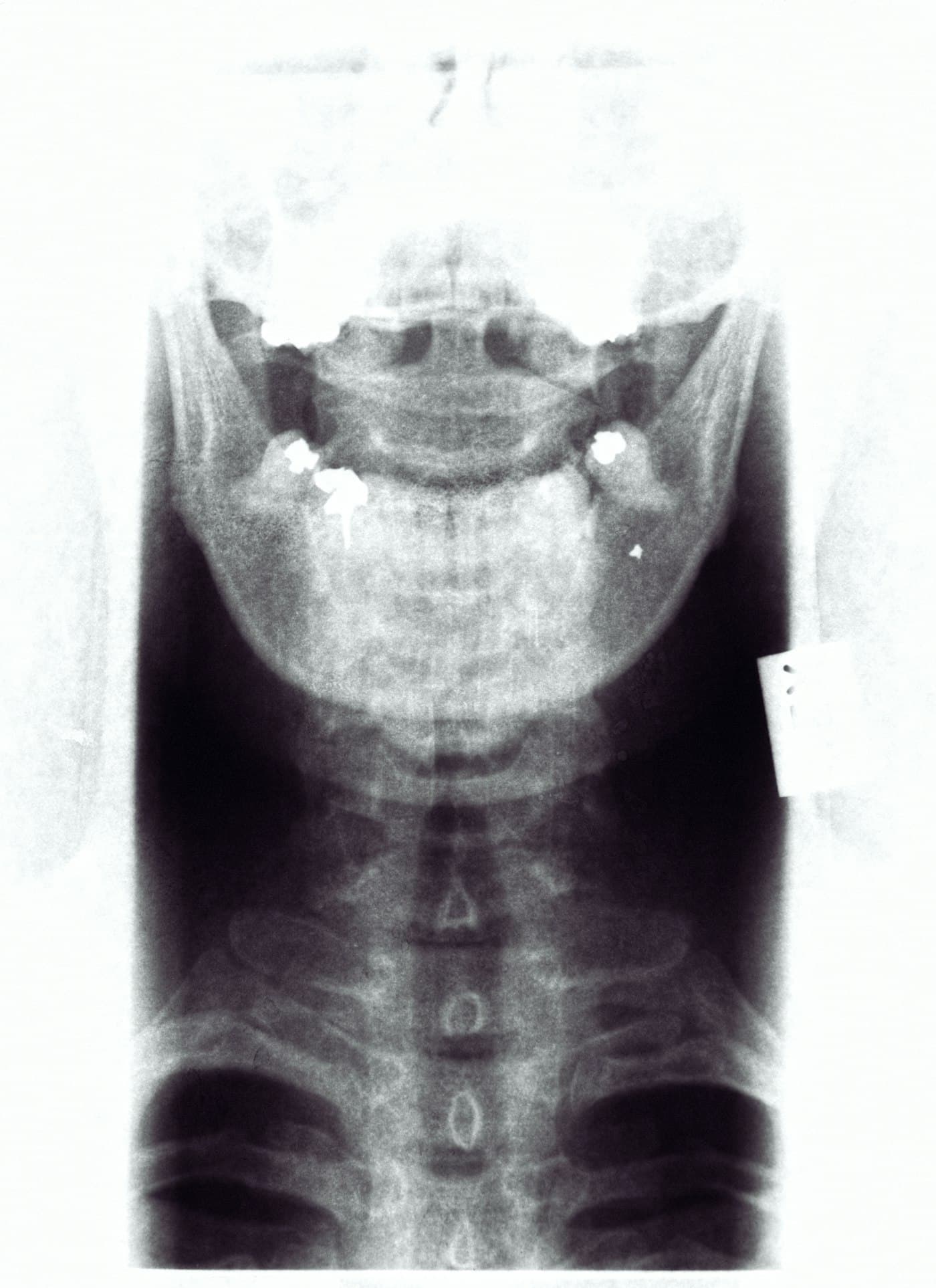
A root canal treats the inside of a tooth. The pulp holding the nerve and blood supply is removed, each canal is cleaned and sealed, and the tooth stays in your mouth. Most of what people fear about it describes dentistry from decades ago.
Inside every tooth is a chamber, and a set of narrow canals running down the roots. They hold the pulp: nerve tissue and blood vessels. Deep decay, a crack or an injury lets bacteria reach that space. The pulp becomes inflamed or dies, and the infection travels down the canals toward the tip of the root.
Treatment removes the pulp, cleans and shapes each canal to its end, then fills the space with a sealing material. The outside of the tooth, the part you chew with, stays yours. That is the point of doing it at all.
Modern anesthesia numbs the tooth before anything starts, so the procedure itself is comparable to having a filling done. What you notice is pressure, vibration and the time it takes. The pain patients associate with root canals usually belongs to the infection that made the treatment necessary. The treatment is what relieves that pain, not what causes it.
That isn't the same as feeling nothing. A badly inflamed tooth can be harder to numb, and it sometimes needs extra anesthetic or a different approach. Tell us if you feel anything sharp. A second injection, or numbing it from inside once the chamber is open, is routine.
How we decide a tooth needs one, and what the visit involves
Symptoms point us there, but they don't settle it. Pain that lingers after something hot or cold has gone is a common sign. So is pain on biting down, or a dull ache that wakes you, or a small swelling on the gum beside the tooth. A front tooth that has darkened after an old injury is another.
From there we test. Cold applied to the tooth and to its neighbors, so we can compare. Tapping, which tells us whether the inflammation has reached the ligament holding the root rather than staying inside the tooth. An X-ray to look for a dark area at the root tip where bone has been lost to infection.
Those tests tell us whether the pulp is inflamed and likely to recover, or dead and not going to. A deep filling can settle down. A dead pulp can't.
- The tooth is numbed, and tested to confirm it's numb before we start
- A small sheet called a rubber dam isolates the tooth and keeps the area dry
- An opening is made through the top of the tooth into the pulp chamber
- Each canal is located, measured, cleaned and shaped to its end
- The canals are filled and sealed, and the opening is closed
- A crown or other restoration is planned to protect what's left of the tooth
We use a dental microscope for this work. Canals are narrow and they curve, and the number of them differs from tooth to tooth. Magnification lets us find them and check each step as it happens, rather than working from feel.
What happens after treatment, and what it costs
A treated tooth no longer has its own blood supply, and it does get more brittle over time. It's also hollowed out, by the access opening and by whatever decay came first. That's why a back tooth usually needs a crown afterward rather than just a filling. The crown holds the remaining walls together so they don't flex apart when you chew.
With that protection, a treated tooth works like the rest of them. It can still decay at the margin, so it needs the same brushing, flossing and checkups as everything else in your mouth.
How quickly the tooth settles afterwards tracks how inflamed the tissue around the root was beforehand, so a tooth treated before it flared up tends to quieten faster than one treated during an abscess. It's a similar recovery to a standard filling.
Soreness afterwards comes from the ligament and bone immediately around the root rather than from inside the tooth, which is why it shows up as tenderness on biting instead of the throb that sent you in. Take whatever pain relief we recommend before the anesthetic wears off rather than after. Call us if it's getting worse instead of better.
Two quotes for the same tooth only compare if both of them include the restoration, because the root canal and the crown are charged as separate items. The number of canals is read off the X-ray rather than guessed from the outside of the tooth, which is why nobody can price it over the phone. Ask what the figure does if an extra canal turns up, or if the tooth needs a post before a crown.
Why the illness claim does not hold, and where the real risk sits
This claim traces back to research from the early 1900s that has been thoroughly discredited and is not supported by modern dental or medical research. Root canals are a routine, well-studied procedure performed millions of times each year.
Pain that disappears on its own isn't always good news. When the pulp dies, the nerve stops sending signals and the tooth goes quiet. The bacteria don't leave with the pain. The infection carries on at the root tip, often silently, until it swells or shows up on an X-ray.
This is the version that catches people out. A tooth that ached for a week and then settled still needs looking at.
An infected pulp doesn't heal on its own. The infection spreads into the bone at the root tip and forms an abscess. That can sit quietly for a long stretch, or it can swell, and facial swelling with a fever is an emergency. By that stage the tooth is often lost, and the bone around it may be damaged too.
Swelling that spreads under the jaw or toward the eye, or any difficulty swallowing or breathing, means the infection has moved past the tooth and needs a hospital rather than a dental appointment.
When pulling the tooth is the better call
Saving your natural tooth is almost always preferable to extraction. Natural teeth maintain bone structure and bite function better than most replacement options, and a root canal is designed specifically to preserve the tooth rather than remove it.
There are cases where pulling it is the better call, and we'll say so when that's what we see.
- A crack that runs deep into the root
- Too little tooth left above the gum to hold a crown
- A root fractured below the gum line
- Severe bone loss around the tooth from gum disease
A tooth already treated once that has never settled is its own decision, because retreatment and root-end surgery both sit ahead of extraction in the order of options. But a treated tooth that can't be restored afterward hasn't been saved. We'd rather tell you that before the appointment than during it.
What to ask before you book
You get a written plan and a cost estimate before we start, your benefits are verified first if you have dental insurance, and financing options are available for larger plans.
If fear of the unknown is what's holding you back, ask your dentist to walk you through exactly what your specific procedure will involve. Specifics tend to be a lot less scary than the general idea.